Innovations in Software for Optimizing Swiss CNC Machining Operations
The Role of Software in Swiss CNC Machining Operations
Understanding Swiss Machining Technology
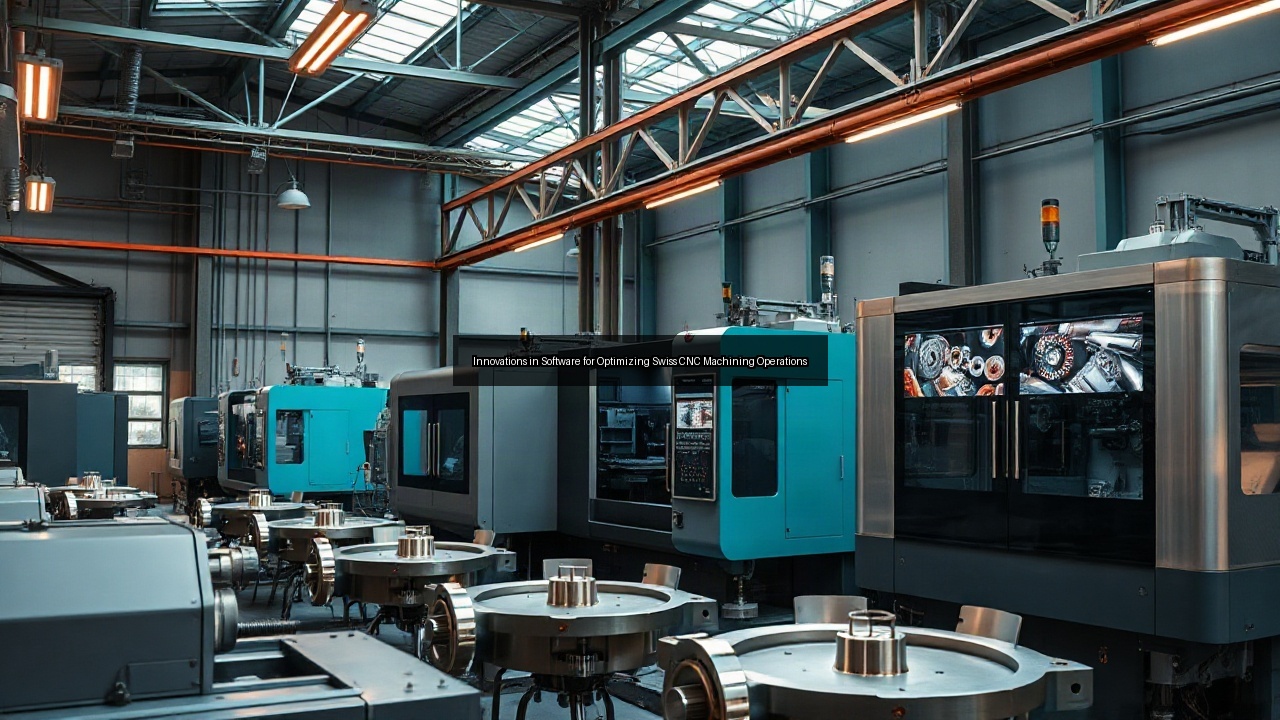
Swiss machining delivers exceptional precision through specialized swiss lathe setups that handle small, intricate components with tight tolerances. CNC swiss machining combines sliding headstock lathes with advanced controls to produce parts for demanding sectors. Operators rely on swiss style lathes to maintain stability during high-speed cuts on materials like nickel alloys. This technology supports cnc machining of long, slender workpieces without deflection. Machine shops integrate swiss machining equipment to achieve consistent results across production runs. Swiss precision machining stands out because it reduces secondary operations and scrap rates. Engineers program these systems to execute multiple operations in one cycle, boosting overall efficiency in swiss turning processes.
The Importance of Software in Precision Machining
Software drives accuracy in swiss cnc machining by translating designs into executable tool paths. Precision machining benefits when programmers use simulation tools to verify operations before cutting metal. Swiss machining solutions incorporate software that manages spindle speeds, feed rates, and coolant delivery automatically. Shops that adopt these tools see measurable gains in part quality and repeatability. CNC machines equipped with modern interfaces allow operators to adjust parameters on the fly. Effective software also tracks tooling wear to prevent defects during extended runs. Machine shops focused on swiss machining technology gain competitive edges through reduced setup times and optimized cycle efficiency.
Innovations in CNC Software for Swiss Machining
Advanced Tooling Management Systems
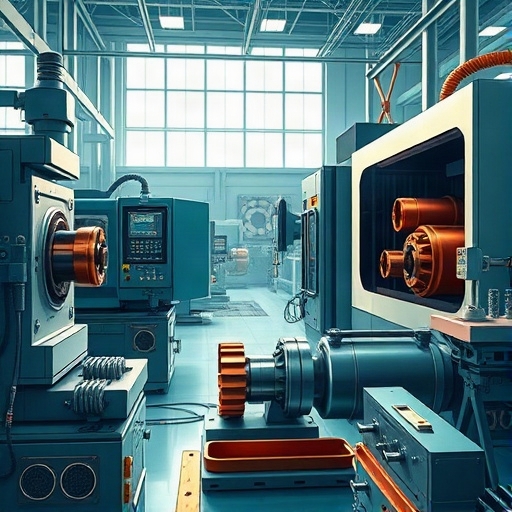
Tooling management software monitors insert life and suggests replacements before failures occur in swiss machining operations. CNC swiss machining centers equipped with these systems maintain consistent output across high volumes. Shops track every tool through RFID tags and digital logs that integrate directly with the lathe controller. Swiss lathe operators receive alerts when geometries require adjustments to maintain surface finishes. This approach cuts unplanned stops and extends the life of expensive carbide inserts used on nickel parts. Advanced platforms also optimize tool selection based on material and feature requirements. Machine shops report higher productivity when tooling data feeds into scheduling algorithms that balance workloads across multiple cnc machines.
Software for Optimizing Geometries and Tool Paths
Path optimization software refines complex geometries to shorten cycle times in swiss machining. Programmers import CAD models and generate collision-free routes that respect the unique kinematics of swiss style lathes. CNC machining software automatically adjusts lead-ins and chip loads to protect delicate features during swiss turning. Shops producing precision machined parts see reduced air cuts and smoother transitions between operations. These tools also simulate material removal to verify tolerances before the first chip flies. Swiss machining process improvements often stem from iterative path refinements that lower vibration on long, thin components. The result is faster throughput without sacrificing the accuracy swiss cnc machining demands.
Integration with Automation Technologies
Automation software links bar feeders, robots, and inspection stations to swiss lathe cells for lights-out production. CNC swiss machining lines run continuous shifts when software coordinates part loading and unloading sequences. Swiss machining solutions now include APIs that connect machine controls with enterprise resource planning systems. Shops handling high volumes of machined components use these connections to maintain steady material flow. Automation reduces manual intervention and allows operators to focus on process improvements rather than repetitive tasks. Swiss precision machining benefits when integrated vision systems flag dimensional drifts in real time. This level of connectivity raises overall equipment effectiveness across the machine shop floor.
Enhancing Productivity in Swiss Machining
Real-Time Monitoring and Analytics
Real-time dashboards display spindle loads, temperatures, and vibration data from operating cnc machines. Swiss machining supervisors use analytics to spot inefficiencies during production runs. Software aggregates data from multiple swiss lathes to identify patterns that affect cycle consistency. Shops monitoring swiss cnc machining processes catch tool wear early and adjust feeds before quality drops. These insights drive decisions that increase daily part output without adding shifts. Analytics platforms also benchmark performance across different materials, including challenging nickel alloys. Machine shops that embed monitoring into daily routines achieve sustained productivity gains in precision machining environments.
Software Solutions for Volume Production
Volume-focused software schedules jobs across fleets of swiss style lathes to maximize machine utilization. CNC swiss machining operations handle thousands of parts per day when planners balance tool changes and setup times efficiently. Swiss machining solutions calculate optimal batch sizes based on demand forecasts and material availability. Shops producing high volumes of precision machined parts rely on these tools to minimize work-in-process inventory. Software also generates reports that highlight bottlenecks in the swiss machining process. By aligning tooling strategies with production targets, facilities maintain steady output even during material shortages. Swiss turning cells equipped with such systems deliver reliable throughput for contract manufacturers.
Reducing Downtime with Predictive Maintenance
Predictive maintenance software analyzes sensor data to forecast component failures on swiss lathes before they halt production. CNC machines stay online longer when algorithms detect bearing wear or axis misalignment early. Swiss machining shops schedule service during planned breaks rather than reacting to sudden breakdowns. This strategy protects tight delivery windows for aerospace and medical components. Software logs historical performance to refine prediction models over time. Machine shops that adopt these platforms report fewer emergency repairs and lower spare-parts inventory costs. Swiss precision machining operations gain reliability that directly supports higher overall equipment effectiveness.
Applications of Swiss Machining in Aerospace and Beyond

Precision Machined Parts for Aerospace
Aerospace manufacturers demand swiss machining parts that meet strict weight and tolerance specifications. CNC swiss machining produces connectors, fasteners, and hydraulic fittings from high-strength alloys including nickel. Swiss lathe programs ensure concentricity on rotating components critical for flight safety. Shops certified for aerospace work combine swiss style lathes with rigorous inspection protocols. Software validates every dimension against customer drawings before parts leave the machine. Swiss machining technology supports the rapid iteration needed during prototype phases. Precision machining in this sector benefits from the process stability that only dedicated swiss cnc machining equipment provides.
The Role of Swiss Style Lathes in Complex Geometries
Swiss style lathes excel at machining parts with multiple diameters, threads, and cross-drilled features in a single setup. CNC swiss machining software generates tool paths that navigate tight internal geometries without collisions. Swiss turning operations maintain accuracy on components measuring just a few millimeters in diameter. Machine shops use these lathes to create intricate profiles that conventional turning centers cannot achieve efficiently. Software simulation verifies clearance between the guide bushing and cutting tools throughout the cycle. Swiss machining process planning now includes five-axis milling attachments that add even more capability. The result is complete parts ready for assembly without additional handling.
Expanding the Reach of Swiss Machining in Other Industries
Medical device companies adopt swiss machining for implants and surgical instruments that require biocompatible finishes. CNC swiss machining also serves electronics manufacturers producing connector pins and sensor housings in high volumes. Swiss precision machining extends into automotive applications for fuel system components and transmission parts. Shops expand their customer base when software enables quick changeovers between different part families. Swiss machining solutions adapt to new materials such as titanium and specialty plastics with minimal reprogramming. Machine shops that diversify beyond aerospace leverage the same core equipment for broader market opportunities. This flexibility strengthens the position of swiss cnc machining in competitive contract manufacturing.
Future Trends in Swiss Machining Software
AI and Machine Learning in CNC Operations
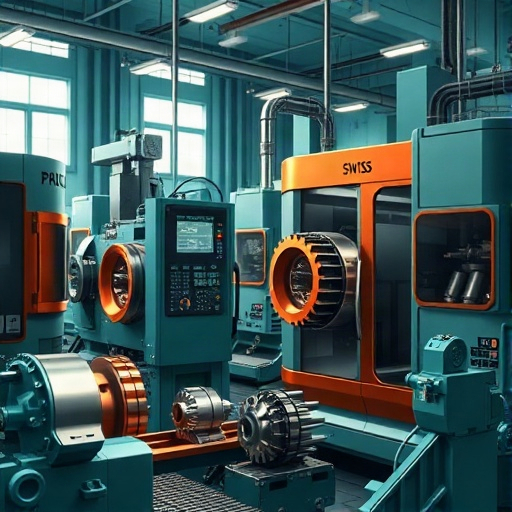
Artificial intelligence optimizes cutting parameters in real time during swiss machining cycles. Machine learning models trained on historical data predict the best speeds and feeds for specific material and geometry combinations. CNC swiss machining systems equipped with these capabilities reduce trial cuts and accelerate setup. Swiss lathe operators receive recommended adjustments that improve surface finish and tool life simultaneously. AI also analyzes vibration signatures to detect anomalies before they affect part quality. Shops implementing these tools see consistent productivity lifts across varying production volumes. Swiss machining technology continues to evolve as algorithms refine themselves with every completed job.
Trends in Software Development for Screw Machines
Modern software platforms modernize traditional screw machines by adding digital controls and connectivity features. CNC swiss machining developers create interfaces that simplify programming for multi-spindle screw machines. Swiss machining solutions now include cloud-based libraries of proven tool paths for common part types. Machine shops transition legacy equipment to these systems to extend service life and improve data collection. Software trends emphasize user-friendly interfaces that reduce the learning curve for new operators. Swiss turning operations gain from integrated scheduling modules that coordinate multiple screw machines on the floor. These developments keep screw machining relevant in an industry shifting toward higher automation.
Sustainable Practices in Swiss Machining Technology
Sustainability software tracks energy consumption and coolant usage across swiss cnc machining cells. CNC machines equipped with efficient drive systems lower power draw during idle periods. Swiss machining shops adopt dry machining strategies where software optimizes chip evacuation without flood coolant. Nickel and other alloys benefit from reduced waste when nesting algorithms maximize material utilization. Machine shops measure carbon impact through dashboards that link directly to production data. Swiss precision machining supports circular economy goals by enabling remanufacturing of worn components. These practices align operational efficiency with environmental responsibility in modern manufacturing facilities.