Innovative Solutions for Reducers and Pipe Tees in Modern Welding Projects
Understanding Weld Fittings in Modern Applications
Types of Weld Fittings: An Overview
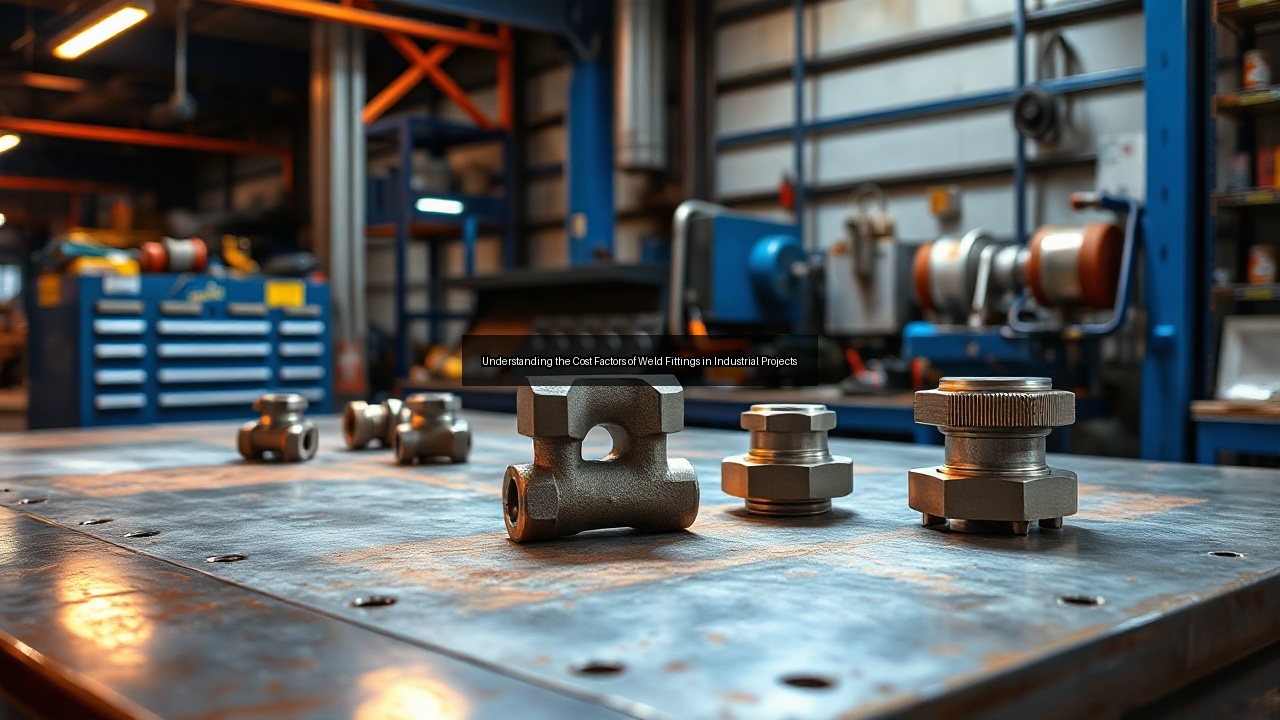
Weld fitting options cover elbows, reducers, pipe tee units, and flanges that connect sections of pipe and tubing in demanding setups. Engineers rely on butt weld fitting and socket weld fitting styles to create permanent joints that handle flow changes without leaks. Reducers manage diameter shifts between pipes, while a pipe cap seals ends during maintenance. Thread options appear in some designs for quick assembly before final welding completes the connection. These fittings support precise dimensions that match system layouts exactly.
Carbon steel weld fitting remains popular because it offers strength at reasonable cost across many projects. Pipe fittings also include cone-shaped transitions that guide fluid movement smoothly. Welders select each type based on the required pressure rating and the pipe schedule. Proper choice prevents turbulence and extends service life in continuous operations.
Importance of Weld Fittings in Pressure Systems
Pressure systems demand weld fitting components that maintain integrity under constant load. A single weak joint can trigger shutdowns and safety risks. Weld fittings create continuous metal paths that distribute stress evenly across the assembly. Carbon steel versions resist deformation when internal pressure rises, while proper welds eliminate gaps that could allow leaks.
Operators monitor temperature swings because heat expands pipe walls and stresses the fittings. Accurate dimensions ensure every connection aligns without forcing adjustments that weaken the weld. Reliable fittings reduce downtime and protect surrounding equipment from sudden failures.
Applications in Oil and Gas Industries
Oil and gas operations use weld fitting products on offshore platforms and refineries where pipes carry crude, gas, and refined products. Reducers adjust flow diameters between high-pressure pumps and distribution lines. Pipe tee branches direct streams to processing units or storage tanks. Flanges allow later access for inspection without cutting the main pipe.
Welding crews complete these connections on-site using procedures that meet strict codes. Steel pipe sections joined by weld fittings withstand vibration from pumps and temperature changes during shutdowns. The result is a network that moves resources safely over long distances with minimal maintenance.
Innovative Designs in Reducers and Pipe Tees
Functionality of Pipe Tees in Complex Systems
Pipe tee fittings split or combine flow in manifolds and header assemblies. Engineers position them to balance pressure across multiple outlets. Modern designs feature reinforced branches that resist cracking when flow rates surge. Welders attach these tees with full-penetration welds that preserve strength at every intersection.
Complex piping layouts in processing plants require pipe tee units with exact branch angles to avoid dead zones. Proper placement improves efficiency and reduces erosion inside the fitting. Operators appreciate how quality tees simplify future expansions without major rerouting.
Reducers: Enhancing Efficiency in Diameter Transition
Reducers create smooth transitions between pipes of different diameters. Concentric models keep the centerline straight, while eccentric versions offset the flow to prevent air pockets. Both styles cut turbulence and protect downstream equipment from vibration. Weld fitting crews prefer reducers with consistent wall thickness that match the adjoining pipe schedules.
Accurate machining of the reducer ends guarantees strong butt welds. These fittings improve overall system efficiency by maintaining steady velocity. Plants record lower energy use when reducers handle diameter changes correctly instead of abrupt step changes.
Material Choices: Carbon Steel vs. Other Options
Carbon steel weld fitting delivers high tensile strength and welds cleanly in field conditions. Alloy alternatives add corrosion resistance for sour service lines. Stainless options suit applications where contamination must stay minimal. Each material choice affects cost, weight, and welding procedure.
Project teams evaluate service temperature and fluid chemistry before final selection. Carbon steel often wins on price for standard pressure lines, while higher alloys justify added expense in aggressive environments. Proper material pairing extends the life of the entire welded assembly.
Key Considerations for Selecting Weld Fittings
Evaluating Temperature and Pressure Ratings
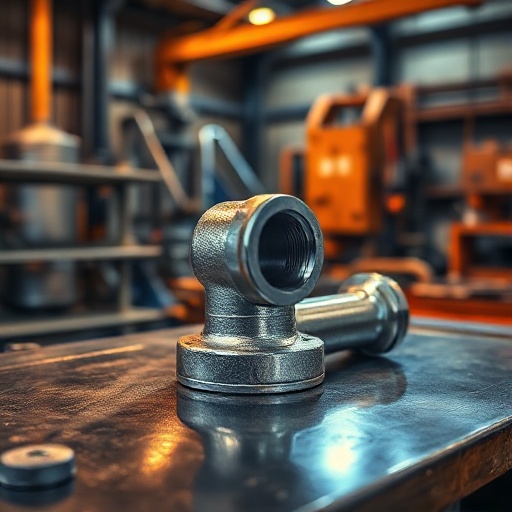
Temperature limits dictate which weld fitting materials remain stable during operation. High heat softens some grades, while extreme cold can cause brittleness. Pressure ratings guide wall thickness requirements so the fitting withstands maximum expected loads. Engineers cross-check published charts against actual process conditions.
Testing samples under simulated loads confirms performance before installation. Accurate ratings prevent overdesign that inflates cost or underdesign that risks rupture. Consistent documentation helps maintenance crews plan replacements years ahead.
Dimensional Accuracy: Ensuring Proper Fit
Dimensional accuracy starts with precise machining of pipe ends and fitting bores. Even small deviations create gaps that weaken welds or cause misalignment during assembly. Fabricators measure every reducer and pipe tee against tolerance standards before welding begins. Laser inspection tools verify diameters and angles quickly.
Correct fit reduces weld filler metal consumption and shortens fit-up time. It also lowers residual stress after cooling. Projects finish faster when every component arrives ready for immediate welding without field modifications.
Cost-Effectiveness in Material Selection
Cost considerations balance upfront purchase price against long-term reliability. Cheaper fittings may require frequent replacement or extra welding labor. Premium carbon steel weld fitting often delivers the best value when total ownership expenses include inspection and downtime. Bulk orders further reduce per-unit cost.
Teams compare life-cycle data from similar installations to guide decisions. Material upgrades pay off when they prevent leaks or extend service intervals. Transparent budgeting includes welding consumables and skilled labor alongside the fittings themselves.
Welding Techniques and Their Impact on Fitting Performance
Butt Weld vs. Socket Weld: A Comparative Analysis
Butt weld fitting joints place two pipe ends together for full-penetration welding that creates a continuous wall. Socket weld fitting inserts the pipe into a recessed pocket for fillet welds on the outside. Butt welds suit larger diameters and higher pressure, while socket welds work well on small-bore tubing where access is limited.
Each method affects inspection requirements and fatigue life. Butt welds need more skilled welders and bevel preparation, yet they offer smoother internal surfaces. Socket welds simplify alignment but create stress risers at the fillet toe. Selection depends on pipe size, pressure class, and accessibility.
The Role of Weld Quality in System Integrity
Weld quality determines whether a system operates safely for decades. Incomplete penetration or porosity creates leak paths under pressure. Radiographic and ultrasonic testing detect flaws before commissioning. High-quality welds on reducers and pipe tee branches maintain uniform strength around the entire circumference.
Consistent procedures and welder qualification reduce variability. Traceable records allow root-cause analysis if issues appear later. Strong welds protect the investment in quality pipe fittings and support uninterrupted production.
Best Practices for Welding Pipe Fittings
Best practices begin with clean joint preparation and proper fit-up gaps. Welders follow qualified procedures that specify preheat, interpass temperature, and filler metals. Post-weld heat treatment relieves stresses in thick-wall carbon steel assemblies. Visual inspection followed by nondestructive testing confirms results.
Protective gas shielding prevents oxidation during welding. Sequence welds to minimize distortion across pipe runs. These steps produce reliable connections that meet code and perform under real service conditions.
Future Trends in Weld Fitting Technology
Advancements in Steel Pipe Fittings
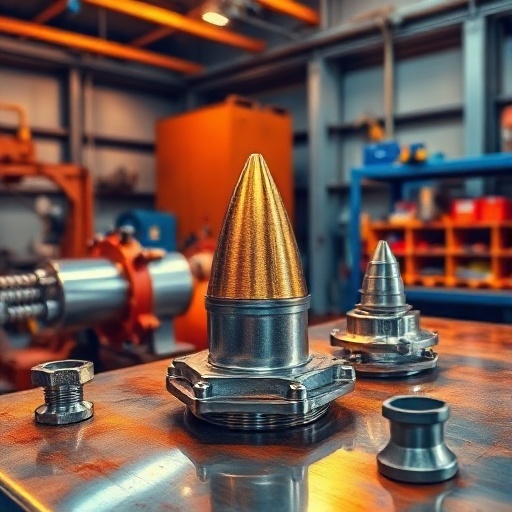
Steel pipe fittings now incorporate tighter tolerances and improved metallurgy. New grades resist hydrogen cracking during welding. Manufacturers offer pre-machined ends that speed field assembly of reducers and flanges. Digital modeling predicts stress distribution before fabrication starts.
These advances reduce scrap and speed project schedules. Lighter yet stronger designs cut transportation costs. Continued refinement of weld fitting geometry supports higher operating pressures without increasing wall thickness.
Integration of Smart Materials
Smart materials embed sensors that monitor temperature, pressure, and strain inside pipe fittings. Data streams alert operators to developing issues before leaks occur. Welded joints can now carry fiber-optic threads that track weld integrity over time. This technology changes maintenance from scheduled to condition-based.
Early adopters in oil and gas report fewer unplanned outages. Sensor-equipped pipe tee and reducer units provide real-time feedback during pressure testing. Future projects will specify smart weld fitting components as standard equipment.
Sustainability Practices in Welding Projects
Sustainability efforts focus on reducing waste during welding and selecting recyclable materials. Low-hydrogen electrodes minimize fumes and improve weld quality. Fabricators recycle steel pipe offcuts into new fittings. Energy-efficient welding machines lower the carbon footprint of each project.
Closed-loop water systems cool welds without discharge. Life-cycle assessments guide choices between carbon steel and alloy options. These practices meet regulatory expectations while controlling long-term operating costs across entire facilities.