Key Specifications You Should Know About Machined Plastic Parts
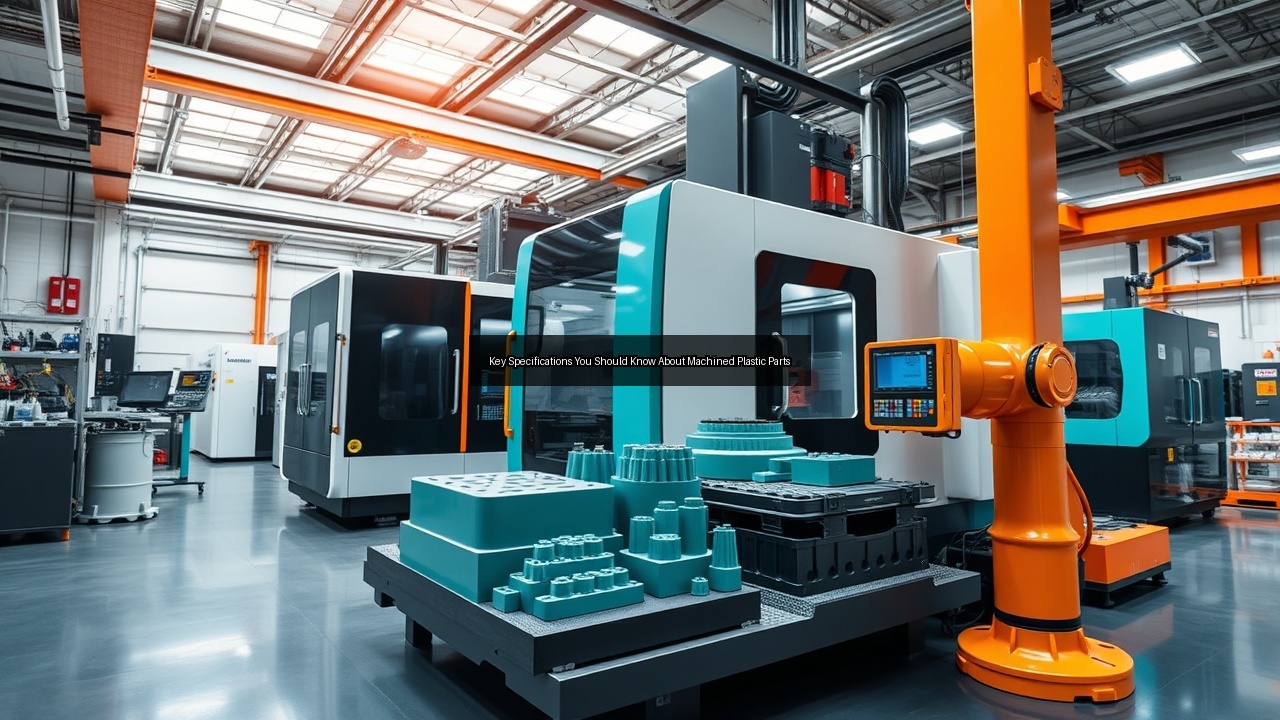
Understanding Machined Plastic Components
What Are Machined Plastic Parts?
Machined plastic components emerge from precise removal of material using advanced tools to shape raw plastic stock into functional parts. Engineers start with engineering plastics such as acetal or nylon and apply cnc machining to achieve exact forms that injection molding cannot always deliver for low volumes or intricate geometries. A skilled machinist programs cnc machinery to cut, drill, and mill the workpiece while monitoring dimensions at every stage. This process yields plastic cnc machined components that fit seamlessly into assemblies ranging from medical devices to automotive housings. Unlike composites that combine fibers with resins, pure machined plastic parts maintain uniform properties throughout. Companies often request machined plastic components when prototypes require quick turnaround or when production runs stay small enough to avoid expensive molds. The resulting machined components of plastic deliver consistent performance because each piece undergoes direct verification against original specifications.
Key Benefits of Using Machined Plastics
Machined plastics provide tight control over final part geometry without the thermal stresses common in molding processes. Plastic fabrication through cnc machining supports rapid design iterations since machinists simply update tool paths rather than rebuild tooling. Engineers value the ability to work with a wide range of engineering plastics that resist chemicals, wear, or extreme temperatures. Machined plastic parts also eliminate the need for secondary operations in many cases because cnc machinery produces finished surfaces directly. When a robot arm requires lightweight brackets or a sensor housing demands electrical insulation, these components meet requirements efficiently. Manufacturers appreciate reduced material waste compared with traditional subtractive methods on metals. Overall, the technology enables cost-effective production of plastic machined components that maintain structural integrity across demanding applications while supporting both batch production and one-off custom orders.
Essential Specifications in CNC Machining
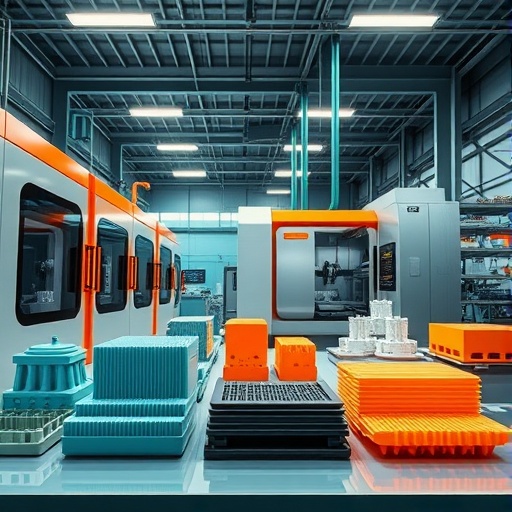
Importance of Dimensions in Machining
Accurate dimensions form the foundation of every successful machined plastic component. Designers specify lengths, diameters, and hole positions in CAD files that machinists translate into cnc machining instructions. Even minor deviations can prevent parts from assembling correctly or functioning under load. During production, operators verify critical measurements with calibrated instruments to ensure each plastic machined component stays within defined limits. Engineering plastics respond differently to cutting forces than metals, so machinists adjust feed rates and spindle speeds to preserve dimensional stability. Companies ordering cnc machined plastic parts often include GD&T callouts that highlight which features tolerate the least variation. Consistent adherence to these dimensions reduces scrap rates and accelerates downstream assembly on automated lines that include robot integration. Proper dimension management directly influences part interchangeability across multiple production runs.
Understanding Tolerances in Plastic Components
Tolerances define the acceptable range of variation for each feature on machined plastic parts. Tighter tolerances increase machining time and cost, yet they remain essential for high-precision applications such as optical mounts or fluidic valves. Machinists select appropriate tolerances based on material behavior because engineering plastics can expand or contract more than metals under temperature changes. CNC machinery equipped with high-resolution encoders helps maintain tolerances as fine as ±0.05 mm on many plastic machined components. Manufacturers document these values in inspection reports that accompany each batch production lot. When tolerances prove too aggressive for a given plastic, engineers may recommend design adjustments or alternative materials. Understanding tolerance stack-ups early prevents costly rework and ensures that plastic cnc machined components perform reliably once installed in final assemblies.
Types of Engineering Plastics Used
Engineers choose from several engineering plastics when specifying machined plastic components. Acetal offers excellent dimensional stability and low friction, making it ideal for gears and bearings produced through cnc machining. Nylon provides toughness and wear resistance suitable for structural brackets and wear pads. Polycarbonate delivers impact strength and optical clarity for machine guards and lenses. PTFE withstands aggressive chemicals and high temperatures in semiconductor and aerospace hardware. Machinists adjust parameters for each material because composites and filled grades behave differently during cutting. Selecting the right plastic influences both part performance and long-term durability. Manufacturers often stock multiple grades so they can respond quickly to custom orders or shift between batch production schedules without delay. Matching material properties to application requirements remains central to successful plastic fabrication projects.
CNC Machinery and Its Role in Plastic Fabrication
Overview of CNC Machinery in Manufacturing
Modern cnc machinery forms the backbone of efficient plastic fabrication. Multi-axis mills and lathes equipped with automatic tool changers allow a single setup to complete complex machined plastic parts that once required several manual operations. These machines accept digital files directly from designers, eliminating transcription errors and shortening lead times. Companies invest in temperature-controlled environments to stabilize engineering plastics during machining because even small thermal shifts affect final accuracy. CNC machinery also integrates probing systems that verify dimensions in-process, reducing reliance on post-machining inspection. The same equipment handles both prototypes and larger batch production runs, giving manufacturers flexibility across project scales. As technology advances, newer models incorporate faster spindles and improved chip evacuation tailored specifically for plastic machined components.
How CNC Machining Enhances Precision
CNC machining elevates precision by executing programmed tool paths with repeatability measured in microns. Machinists optimize cutting parameters to minimize tool deflection and heat buildup that could distort plastic machined components. High-speed spindles paired with sharp carbide tooling produce clean edges and accurate hole locations without secondary deburring. When a design calls for undercuts or internal threads, 5-axis cnc machinery reaches features impossible on conventional equipment. Real-time monitoring of spindle load and vibration helps maintain consistent quality across every part in a production batch. This level of control supports the tight specifications demanded by medical, robotics, and electronics industries. Ultimately, the technology transforms raw engineering plastics into finished machined plastic components that meet exact functional requirements without extensive hand finishing.
Surface Treatments and Finishing Techniques
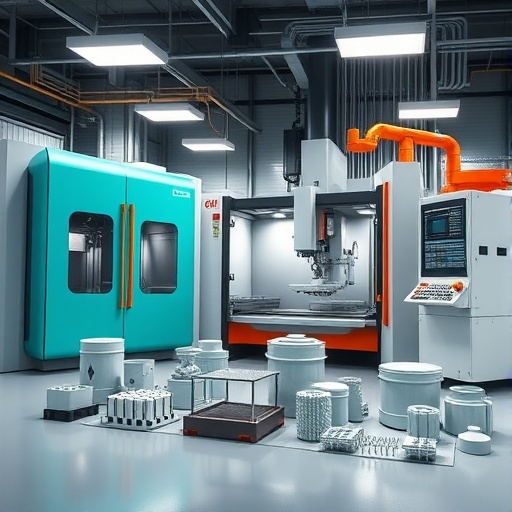
Common Surface Finishing Methods for Plastics
Surface finishing improves both appearance and function of machined plastic parts. Bead blasting creates uniform matte textures that hide minor tool marks while improving grip on handles and enclosures. Vapor polishing restores optical clarity on polycarbonate or acrylic components after cnc machining. Machinists also apply light sanding or tumbling to achieve specific Ra values required by customer drawings. For applications needing enhanced wear resistance, manufacturers may add thin-film coatings through plasma treatment. Each surface treatment must account for the base plastic’s chemistry to avoid cracking or discoloration. Plastic fabrication shops maintain dedicated finishing cells so they can process batch production orders efficiently while meeting varied surface specifications.
Impact of Surface Treatment on Performance
Surface treatment directly influences how machined plastic components interact with their environment. Smoother finishes reduce friction in sliding applications and minimize particle generation in cleanrooms. Textured surfaces improve adhesive bonding or paint adhesion on plastic machined components used in consumer products. Chemical resistance often increases after proper surface treatment because micro-cracks from machining get sealed. Engineers evaluate coefficient of friction, wettability, and optical transmission when selecting finishing methods. In robotics, low-friction surfaces on acetal guides extend service life. Manufacturers document surface parameters alongside dimensional tolerances so customers receive complete specification packages. Effective surface treatment transforms basic machined plastic parts into high-performance components ready for demanding service conditions.
Choosing the Right Manufacturer for Machined Plastics
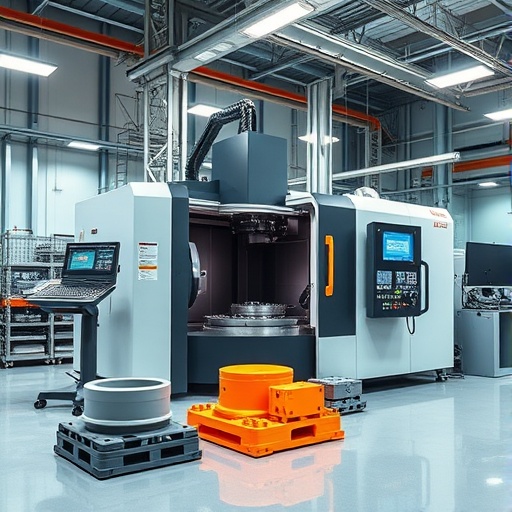
Factors to Consider When Selecting a Manufacturer
Selecting a manufacturer for machined plastic components requires evaluation of equipment capabilities, material expertise, and quality systems. Shops with modern cnc machinery and experienced machinists deliver tighter tolerances and faster turnaround. Buyers should verify experience with specific engineering plastics and request sample parts that demonstrate surface finishing quality. Certifications such as ISO 9001 signal consistent process control across both prototype and batch production work. Communication responsiveness matters because design changes often occur mid-project. Companies that maintain in-house inspection equipment can provide detailed reports confirming all dimensions and tolerances. Visiting the facility or reviewing case studies helps confirm the manufacturer can handle the required complexity of plastic cnc machined components.
Batch Production vs. Custom Orders
Batch production suits projects needing dozens to thousands of identical machined plastic parts. Manufacturers optimize setups, reduce per-piece costs, and maintain consistent quality through standardized fixturing and inspection routines. Custom orders, by contrast, emphasize flexibility for unique geometries or low quantities where tooling investment would be impractical. CNC machining excels in both scenarios because tool paths change quickly without physical retooling. A capable manufacturer balances these workflows by segregating high-volume runs from one-off prototypes on separate machines. Customers benefit when the same company handles both batch production and custom orders, ensuring seamless scaling as demand grows. Clear communication of specifications, tolerances, and surface treatment requirements helps avoid delays regardless of order type.