Exploring Green Bay's Plastic Manufacturers Leading the Charge in Recycling
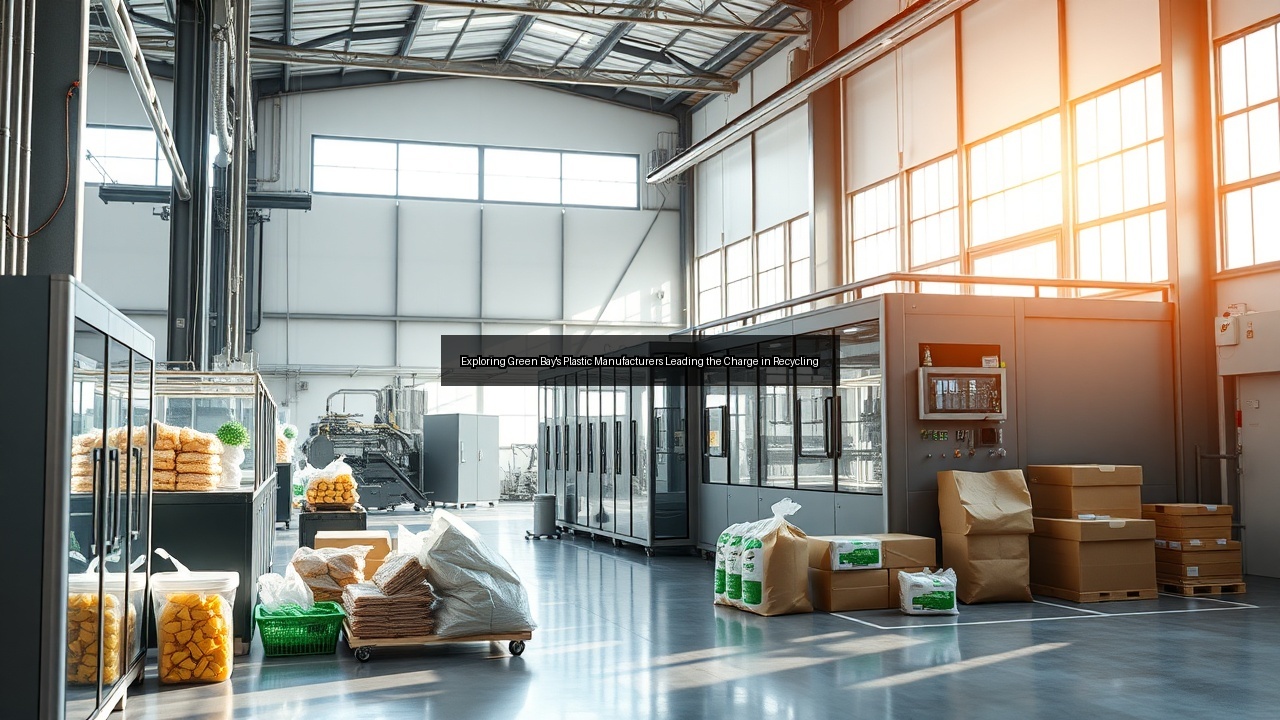
The Role of Green Bay Plastic Manufacturers in Recycling
Overview of Green Bay's Plastic Industry
Green Bay's plastic industry plays a pivotal role in the local economy while addressing environmental challenges associated with plastic waste. As one of the prominent hubs for plastic manufacturing in the Midwest, Green Bay is home to a diverse range of companies that specialize in producing various plastic products. These manufacturers are not only focused on meeting market demands but also on implementing sustainable practices that prioritize recycling and the use of recycled materials. The city's strategic location near transportation routes enhances its capacity for distribution, further solidifying its position as a key player in the national plastic market. Green Bay's plastic companies are increasingly adopting innovative recycling methods, demonstrating a commitment to environmental stewardship and sustainable manufacturing practices.
Importance of Recycling in Plastic Manufacturing
Recycling in plastic manufacturing provides numerous benefits that extend beyond environmental conservation. It reduces the demand for virgin plastic, conserves energy, and minimizes waste in landfills. For Green Bay plastic companies, embracing recycling means tapping into a growing market for sustainable products and appealing to environmentally conscious consumers. By integrating recycled materials into their manufacturing processes, these companies can lower production costs and enhance the recyclability of their products. The focus on recycling also fosters a culture of sustainability within the industry, prompting manufacturers to explore innovative solutions that not only improve efficiency but also reduce their carbon footprint. This commitment to recycling positions Green Bay as a leader in sustainable plastic manufacturing, further driving economic growth in the area.
Key Players in Green Bay's Recycling Efforts
Several key players in Green Bay's plastic manufacturing sector are leading the charge in recycling initiatives. Companies such as Bemis Company, Inc. and Packaging Corporation of America have made significant strides in incorporating recycled materials into their product lines. These manufacturers prioritize sustainability not only in their operations but also in their partnerships, collaborating with local recycling facilities to enhance the efficiency and effectiveness of recycling efforts. Their commitment to sustainability is evident in their investment in advanced recycling technologies and the development of new sustainable packaging solutions. By focusing on recycling, these companies not only contribute to environmental conservation but also set a standard for other manufacturers in the region to follow, promoting a more sustainable future for the entire industry.
Innovative Sustainable Packaging Solutions
Types of Sustainable Packaging Offered by Green Bay Manufacturers
Green Bay manufacturers are at the forefront of developing innovative sustainable packaging solutions that cater to a wide array of industries. These solutions include biodegradable plastics, compostable packaging, and materials made from recycled content. By utilizing renewable resources and eco-friendly materials, Green Bay plastic companies can create packaging that meets consumer demand for sustainability without compromising on quality or functionality. Additionally, many companies are adopting minimalist packaging designs that reduce material use while still providing adequate protection for products. This shift not only lowers waste generation but also aligns with consumer preferences for environmentally responsible products. As a result, Green Bay has emerged as a leader in providing sustainable packaging options that resonate with today’s eco-conscious consumers.
Use of Recycled Material in Product Packaging
The integration of recycled material into product packaging has become a cornerstone of Green Bay's plastic manufacturing strategies. Many local companies actively seek to incorporate post-consumer recycled plastics into their packaging solutions. This practice not only diverts waste from landfills but also contributes to a circular economy where materials are reused rather than discarded. The use of recycled materials also enhances the company's brand image, appealing to consumers who prioritize sustainability. Furthermore, advancements in recycling technology have improved the quality and availability of recycled materials, making it easier for manufacturers to source the inputs they need for production. By leveraging recycled content, Green Bay plastic manufacturers are setting a benchmark for responsible packaging practices that align with global sustainability goals.
Advancements in Polyethylene Recycling Technology
Polyethylene, one of the most widely used plastics, has seen significant advancements in recycling technology, particularly among Green Bay manufacturers. New techniques enable the recycling of polyethylene products that were previously deemed non-recyclable. Innovations such as chemical recycling allow manufacturers to break down plastic waste into its basic components, which can then be reused to create new polyethylene products. This process not only increases the overall recyclability of plastic but also reduces reliance on fossil fuels for virgin material production. Green Bay plastic companies are investing in these technologies, ensuring their operations remain competitive while contributing to global sustainability efforts. The evolution of polyethylene recycling technology positions Green Bay as a forward-thinking hub for plastic manufacturing that prioritizes environmental responsibility.
Challenges and Risks in Plastic Recycling
Environmental Risks Associated with Plastic Waste
Despite the benefits of plastic recycling, environmental risks remain a significant concern. Improper disposal and inadequate recycling processes can lead to plastic pollution, adversely affecting terrestrial and marine ecosystems. Green Bay plastic manufacturers recognize these risks and are actively working to mitigate them through improved recycling practices and public education initiatives. By collaborating with local governments and organizations, these companies aim to raise awareness about proper waste disposal and recycling methods, ultimately reducing the environmental impact of plastic waste. Additionally, the industry faces challenges related to contamination of recyclable materials, which can hinder the recycling process and lead to increased waste. Addressing these environmental risks requires a concerted effort from all stakeholders involved in the plastic lifecycle.
Economic Challenges for Manufacturers
Economic challenges pose significant hurdles for Green Bay plastic manufacturers, particularly in the realm of recycling. Fluctuating prices for recycled materials can create uncertainty in the market, making it difficult for companies to maintain profitability. Moreover, the initial costs associated with implementing advanced recycling technologies can be prohibitive for smaller manufacturers. These economic pressures often lead to a reliance on virgin materials, counteracting the positive strides made in recycling efforts. However, many Green Bay plastic companies are finding ways to overcome these challenges by forming strategic partnerships, investing in research and development, and advocating for policies that support recycling initiatives. By addressing the economic barriers to recycling, these manufacturers contribute to a more sustainable plastic industry while ensuring their long-term viability.
Technological Barriers and the Role of AI in Recycling
Technological barriers present another challenge in the quest for effective plastic recycling. Many recycling processes remain labor-intensive and inefficient, leading to high operational costs and low recovery rates. Green Bay manufacturers are increasingly turning to artificial intelligence (AI) to streamline recycling operations and enhance efficiency. AI technologies can optimize sorting processes, improve material identification, and predict recycling trends, significantly reducing waste and increasing the rate of recyclability. By leveraging AI, Green Bay plastic companies can overcome technological barriers, paving the way for more effective recycling practices. As AI continues to evolve, its integration into recycling processes will likely transform the landscape of plastic manufacturing, making it more sustainable and economically viable.
Future Perspectives for Green Bay's Plastic Companies
Trends in Sustainable Packaging and Recycling
The future of Green Bay's plastic companies hinges on the ongoing trends in sustainable packaging and recycling. Growing consumer demand for environmentally friendly products pushes manufacturers to innovate continuously. A shift towards biodegradable and compostable materials is gaining traction, with many companies experimenting with alternative polymers derived from natural sources. Additionally, the trend of refillable and reusable packaging Green Bay plastic manufacturer is gaining popularity, further reducing waste. As these trends evolve, Green Bay manufacturers are positioned to lead the industry in sustainable practices, aligning their operations with the values of eco-conscious consumers. By staying ahead of these trends, they can not only enhance their market competitiveness but also contribute to a healthier planet.
The Impact of Energy Efficiency on Manufacturing
Energy efficiency plays a crucial role in the future of plastic manufacturing in Green Bay. Companies are increasingly recognizing that reducing energy consumption not only lowers operational costs but also minimizes greenhouse gas emissions. Implementing energy-efficient technologies and practices can significantly enhance sustainability efforts. For instance, manufacturers are investing in renewable energy sources, such as solar and wind, to power their operations. This shift not only decreases reliance on fossil fuels but also positions Green Bay as a leader in sustainable manufacturing practices. By prioritizing energy efficiency, plastic companies in the region can improve their environmental footprint while enhancing profitability, creating a win-win scenario for both business and the planet.
Building a Circular Economy in Green Bay
Building a circular economy in Green Bay represents a significant opportunity for local plastic manufacturers. A circular economy emphasizes the importance of reusing materials, reducing waste, and creating closed-loop systems where products are designed for longevity and recyclability. Green Bay companies are increasingly adopting this model by collaborating with other industries, municipalities, and recycling centers to create synergies that benefit the entire community. This collaborative approach not only fosters innovation but also enhances the overall sustainability of the region. By transitioning towards a circular economy, Green Bay's plastic manufacturers can reduce their environmental impact, drive economic growth, and establish a more resilient and sustainable future for the community.
See Also
- The Future of Recyclability in Green Bay's Plastic Products
- Green Bay's Plastic Makers Embrace AI for Efficient Production Processes
- How Green Bay is Setting Standards in the Global Plastic Manufacturing Sector
- Innovative Plastic Solutions from Green Bay Companies Driving Sustainability
- Transforming Waste into Value Green Bay's Approach to Plastic Recycling