The Benefits of Using Skid Mounted Bulk Oil Systems
Understanding Skid Mounted Bulk Oil Systems
What are Skid Mounted Systems?
Skid mounted systems refer to oil storage and dispensing setups that come pre-assembled on a metal frame known as a skid. This design allows for easy transportation and installation, making them ideal for various applications. Often found in industrial, automotive, and agricultural settings, these systems provide a reliable solution for bulk oil storage. Skid mounted systems can accommodate a range of lubricants and oils, including hydraulic fluids and engine lubricants. Their versatility and mobility allow businesses to efficiently manage oil dispensing without the need for extensive infrastructure. The portability of these systems enables rapid deployment, especially in locations where bulk oil dispensing is crucial.
Components of Bulk Oil Storage and Dispensing Systems
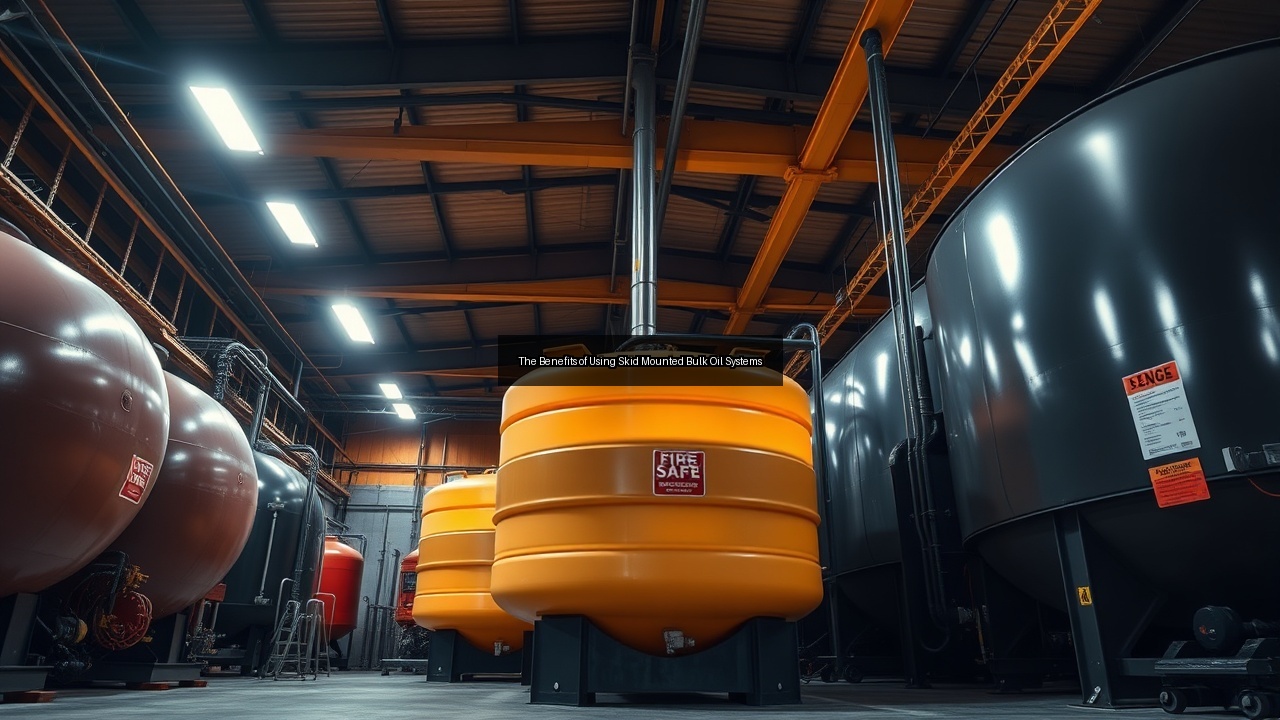
Bulk oil storage and dispensing systems incorporate several essential components that work together to ensure efficient oil management. Primary elements include storage tanks, pumps, filtration systems, and dispensing nozzles. Storage tanks, often made from polyethylene or steel, are designed to hold large quantities of oil, ranging from 55-gallon drums to several thousand gallons. Pumps facilitate the transfer of oil from the tank to the dispensing area, while filtration systems play a critical role in maintaining oil quality by removing impurities. The dispensing nozzles allow for precise delivery of lubricants, aiding in the lubrication process. Together, these components create a cohesive system that optimizes bulk oil storage and dispensing.
The Role of Filtration in Oil Systems
Filtration serves a vital function within bulk oil systems by ensuring that the lubricants remain clean and free from contaminants. Contaminants can lead to increased wear on machinery, reduced efficiency, and even costly breakdowns. Effective filtration systems remove particles, water, and other impurities from the oil, prolonging its life and maintaining its lubrication properties. Regular inspection and maintenance of these filtration systems are essential to ensure optimal performance. High-quality filters help prevent issues that could arise from using contaminated oil, safeguarding both the equipment and the overall operation. Consequently, investing in robust filtration capabilities enhances the reliability of bulk oil storage and dispensing systems.
Advantages of Skid Mounted Bulk Oil Systems
Space Efficiency and Mobility of Skids
Skid mounted bulk oil systems excel in space efficiency, making them ideal for facilities with limited room. Their compact design allows for vertical and horizontal placement without sacrificing accessibility. Businesses can easily relocate these systems as operational needs change, ensuring that oil dispensing capabilities adapt to different workflows. The mobility of skid-mounted systems also means they can be transported between job sites or stored away when not in use. This flexibility helps companies optimize their storage usage while maintaining the ability to dispense bulk oils efficiently. The combination of space-saving design and ease of movement makes skid mounted systems a favored choice in the industry.
Enhanced Safety Features and Compliance with OSHA and EPA Regulations
Safety stands as a top priority in oil storage and dispensing. Skid mounted systems often come equipped with features that enhance safety and help facilities comply with OSHA and EPA regulations. These features may include secondary containment systems, spill trays, and safety valves that prevent leaks and overflows. Compliance with regulations protects both workers and the environment, minimizing the risk of hazardous incidents. Regular training and adherence to safety protocols further bolster the efficacy of these systems. By investing in skid mounted bulk oil systems, businesses can create a safer workspace while demonstrating commitment to environmental stewardship and regulatory compliance.
Cost-Effectiveness in Bulk Oil Dispensing
Cost-effectiveness emerges as a significant advantage of using skid mounted bulk oil systems. Dispensing oil in bulk significantly reduces per-gallon costs compared to purchasing smaller quantities. Businesses can also minimize waste through efficient dispensing methods that ensure precise delivery of lubricants. Additionally, the durability of these systems, designed to withstand various environmental conditions, lessens the need for frequent replacements or repairs. When considering maintenance costs, skid mounted systems often require less frequent servicing due to their robust design and built-in filtration systems. Overall, the investment in bulk oil storage and dispensing systems translates into long-term savings and operational efficiency.
Applications and Use Cases of Bulk Oil Systems
Industries Benefiting from Bulk Oil Storage
Multiple industries benefit from the use of bulk oil storage and dispensing systems, including automotive, manufacturing, agriculture, and construction. In automotive settings, these systems streamline the lubrication process, ensuring that vehicles and machinery receive the right amount of oil efficiently. Manufacturing plants utilize bulk oil systems to manage hydraulic fluids and lubricants essential for machinery operation. Agricultural equipment also relies on these systems for timely oil dispensing, enhancing productivity during critical seasons. Construction sites benefit from the mobility and efficiency of skid mounted systems, allowing quick access to lubricants and reducing bulk oil dispensing systems downtime. The versatility of these systems makes them indispensable across various sectors.
Utilization of Polyethylene vs. Steel Tanks
Choosing between polyethylene and steel tanks for bulk oil storage hinges on specific operational needs. Polyethylene tanks offer excellent corrosion resistance and are lighter, making them easier to transport and install. They are ideal for locations where chemical compatibility is essential. In contrast, steel tanks provide greater durability and can withstand higher pressures, making them suitable for applications involving heavier oils or harsher environments. Both tank types have their advantages, and the decision often depends on factors such as regulatory requirements, storage capacity, and budget constraints. Understanding these distinctions aids businesses in selecting the right storage solution for their bulk oil needs.
Gravity Feed and Pump Systems for Efficient Dispensing
Gravity feed and pump systems play a crucial role in the efficient dispensing of lubricants and oils from bulk storage tanks. Gravity feed systems rely on the natural force of gravity to move oil from the tank to the dispensing nozzle. This method is simple and requires minimal equipment, making it an economical choice for many applications. On the other hand, pump systems offer greater control over oil flow and are ideal for larger operations that require precise dispensing. The choice between gravity feed and pump systems often depends on the volume of oil needed, the layout of the facility, and the specific lubrication requirements of the equipment being serviced. Both options contribute to the effectiveness of bulk oil storage and dispensing systems.
Best Practices for Maintenance and Safety
Regular Inspection and Maintenance of Storage Tanks
Regular inspection and maintenance of storage tanks are essential to ensure the longevity and efficiency of bulk oil systems. Inspections should focus on checking for leaks, corrosion, and structural integrity. Implementing a scheduled maintenance program helps identify issues before they escalate, avoiding costly repairs and potential environmental hazards. It's also crucial to keep records of inspections, maintenance activities, and any repairs made. This documentation not only assists in regulatory compliance but also enhances operational safety. By prioritizing maintenance, businesses can extend the lifespan of their tanks and ensure the safe storage of valuable lubricants and oils.
Fire Safety Considerations for Oil Storage
Fire safety remains a paramount concern when dealing with bulk oil storage. Facilities must adhere to guidelines set forth by OSHA and the EPA to minimize fire risks. Proper ventilation, clear access to fire exits, and the installation of fire suppression systems are vital components of a comprehensive fire safety strategy. Additionally, storing flammable materials away from ignition sources and ensuring that tanks have adequate secondary containment can prevent catastrophic incidents. Regular fire drills and staff training enhance preparedness, creating a culture of safety. By implementing robust fire safety measures, businesses can protect their employees, assets, and the environment from potential fire hazards associated with bulk oil storage.
Disposal and Management of Waste Oil
The proper disposal and management of waste oil represent a critical aspect of maintaining environmental integrity. Many businesses generate waste oil as part of their operations, and handling it responsibly is essential to comply with local and federal regulations. Facilities must establish protocols for collecting, storing, and disposing of waste oil in an environmentally friendly manner. Partnering with certified waste disposal companies ensures that oil is recycled or disposed of according to legal standards. Training employees on waste management practices reinforces the importance of environmental stewardship, fostering a responsible culture within the organization. Effective waste oil management not only meets regulatory requirements but also contributes to sustainability efforts.