Understanding the Cost Factors of Weld Fittings in Industrial Projects
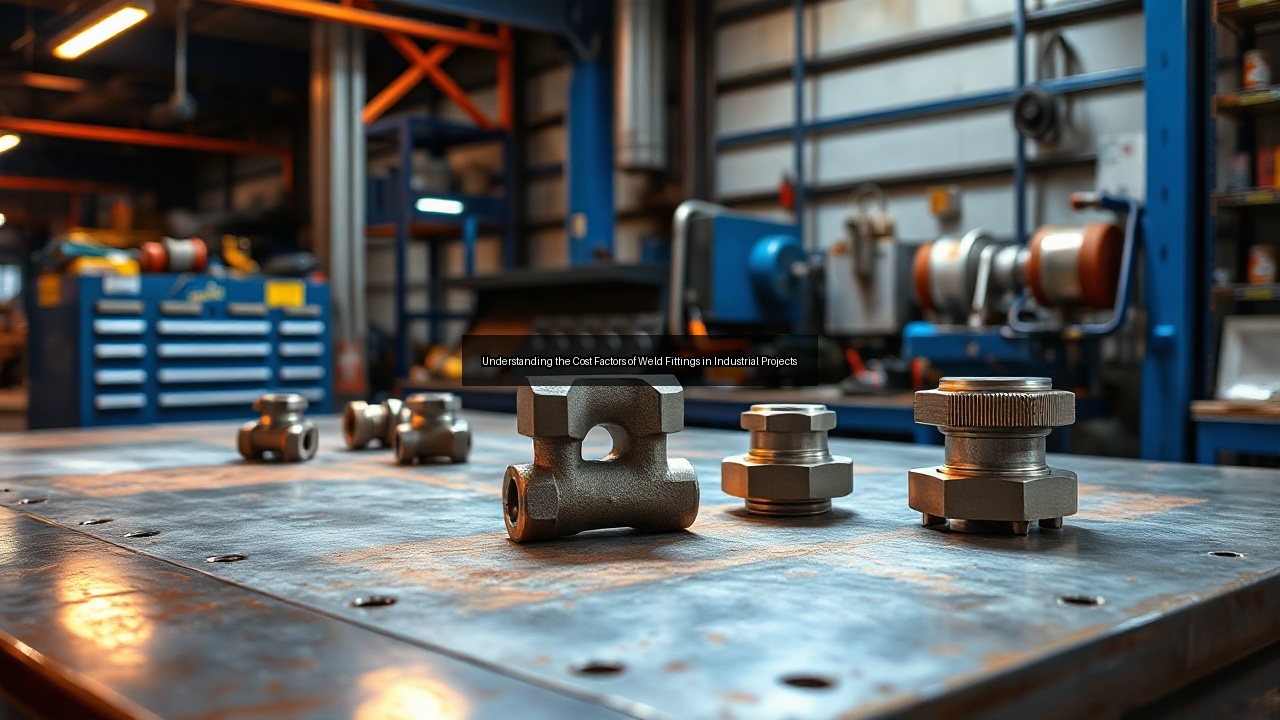
Key Cost Factors in Weld Fittings for Industrial Applications
Material Type and Its Impact on Cost
Material selection plays a crucial role in determining the cost of weld fittings within industrial projects. Common materials include carbon steel, stainless steel, and alloy steel. Each type presents its own cost implications, driven by factors such as availability, manufacturing processes, and specific properties required for the application. For example, carbon steel weld fittings offer a cost-effective solution for general applications. However, they may not withstand extreme conditions as effectively as stainless steel weld fittings, which have higher resistance to corrosion and temperature variations. This resilience often justifies the higher price tag. When evaluating material costs, consider the long-term benefits of durability and maintenance. A fitting that may seem more expensive upfront can save money in repairs and replacements over time, especially in industries like oil and gas where reliability is paramount.
Dimensions and Diameter Considerations
The dimensions and diameter of weld fittings directly influence their cost. Larger fittings require more material and often involve more complex manufacturing processes, leading to increased expenses. For example, a large pipe tee fitting designed for high-pressure systems can be significantly more expensive than smaller counterparts. Precision in dimensions becomes critical, particularly in high-pressure applications, where even minor discrepancies can lead to catastrophic failures. The design of fittings, such as reducers and caps, also affects their pricing. Customized dimensions for unique applications can further increase costs. Understanding these factors helps project managers assess their budgets accurately and make informed decisions about the fittings that will best serve their needs without compromising safety or performance.
Welding Techniques and Their Cost Implications
The choice of welding technique impacts the overall cost of weld fittings. Different methods, such as TIG (Tungsten Inert Gas) and MIG (Metal Inert Gas) welding, offer distinct advantages and drawbacks. For instance, TIG welding produces high-quality, precise welds ideal for applications requiring meticulous tolerances. However, this technique often demands more skilled labor, which can drive up costs. MIG welding, on the other hand, is generally faster and less labor-intensive, making it a more economical choice for large-scale projects. The chosen welding method also influences the type of fittings used. For example, socket weld fittings are often paired with specific welding techniques. Understanding the implications of these techniques allows engineers to balance quality and cost-effectiveness when selecting weld fittings for their projects.
The Role of Weld Fittings in Critical Industries
Weld Fittings in Oil and Gas Projects
Weld fittings play a vital role in the oil and gas industry, where safety and reliability are non-negotiable. These fittings connect pipes and tubing, ensuring the secure transport of fluids and gases under high pressure. The industry's demanding nature requires fittings that can withstand extreme conditions, including high pressure and temperature variations. Using high-quality carbon steel or specialized alloy fittings is essential to prevent leaks or failures that could jeopardize operations and safety. Additionally, the selection of weld fittings impacts the overall efficiency of the pipeline system. Properly designed and installed fittings minimize turbulence and pressure drops, optimizing flow rates. This optimization is critical; even small inefficiencies can lead to significant financial losses in large-scale operations. Understanding the unique requirements of oil and gas applications ensures that weld fittings contribute effectively to the integrity and performance of the entire system.
Importance of Weld Fittings in High-Pressure Systems
High-pressure systems demand the utmost precision and reliability in every component, especially weld fittings. These fittings must be engineered to endure substantial pressure without compromising safety. In many applications, including hydraulic systems and chemical processing, the failure of a weld fitting can lead to catastrophic outcomes. Engineers often choose butt weld fittings for high-pressure applications due to their strength and durability. Butt weld fittings create a continuous flow path, minimizing resistance and enhancing overall system efficiency. Additionally, the proper sizing and selection of fittings become paramount. Engineers must account for not only the diameter but also the wall thickness of the fittings to ensure they can handle the specified pressure ratings. Investing in high-quality fittings tailored for high-pressure applications ultimately protects both the integrity of the system and the safety of personnel involved.
Temperature Resistance and Its Effect on Cost
Temperature resistance is a significant consideration when evaluating the cost of weld fittings. Industries such as petrochemical and power generation often operate under extreme thermal conditions. Fittings must withstand high temperatures without degrading, which can lead to leaks and system failures. The selection of materials becomes crucial; stainless steel weld fittings, for example, offer superior temperature resistance compared to carbon steel. However, this advantage comes at a higher cost. Manufacturers often provide specifications detailing the temperature ratings for various fittings, allowing engineers to select appropriately. Understanding the thermal demands of specific applications ensures that the fittings chosen not only meet performance standards but also provide long-term value. Failing to consider temperature resistance may lead to costly repairs and downtime, reinforcing the importance of careful planning during the selection process.
Types of Weld Fittings and Their Cost Variations
Butt Weld Fittings vs. Socket Weld Fittings
Butt weld fittings and socket weld fittings serve different purposes within industrial piping systems, each with unique cost implications. Butt weld fittings connect pipes end-to-end, allowing for a smooth and continuous flow path. This design minimizes turbulence and pressure drops, making them ideal for high-pressure applications. The manufacturing process for butt weld fittings can be more complex, often leading to higher costs. On the other hand, socket weld fittings involve inserting a pipe into a recessed area of the fitting, which can be easier to install and may result in lower labor costs. However, socket weld fittings are generally suitable for smaller pipe sizes and lower pressure applications. The choice between these two types depends on the specific requirements of the project, including pressure ratings, temperature, and flow characteristics. Understanding these differences helps engineers select the most cost-effective option for their systems.
Common Pipe Fitting Types: Tee, Reducers, and Caps
Pipe fittings come in various configurations, with tees, reducers, and caps being among the most common. Each type serves a specific function and carries its own cost structure. A pipe tee, for instance, allows for the branching of a pipeline, enabling fluid flow in multiple directions. The complexity of manufacturing a tee fitting can drive costs higher compared to straight fittings. Reducers, which connect pipes of different diameters, are also essential for managing flow rates and pressure. They often require precise engineering to ensure proper transitions, influencing their pricing. Caps, used to seal the end of a pipe, tend to be less expensive but are critical for maintaining system integrity. The choice of fitting type depends on the overall design and functionality of the piping system, impacting both performance and cost. A thorough understanding of these fittings ensures that project managers can allocate budgets effectively and choose the best components for their specific needs.
Factors Influencing the Price of Carbon Steel Weld Fittings
Carbon steel weld fittings are widely used across various industries due to their cost-effectiveness and versatility. However, several factors influence their price. Market fluctuations in steel prices can lead to significant variations in fitting costs. Additionally, the manufacturing processes employed, such as forging or casting, affect pricing. Higher-quality fittings often undergo more rigorous quality control measures, which can increase costs. Other considerations include the fitting's size, complexity, and whether custom dimensions are required. Transport costs and supplier pricing strategies also play a role. When planning an industrial project, understanding these factors helps project managers budget effectively and select the most appropriate carbon steel weld fittings for their applications. By considering not only the initial costs but also the long-term benefits, including durability and maintenance, companies can make informed decisions that enhance overall project success.
See Also
- Flanges vs Weld Fittings Which is Best for Your Next Project
- Reducers in Welding How to Manage Diameter Changes Effectively
- Weld Fitting Dimensions A Comprehensive Overview for Engineers
- Understanding the Different Types of Weld Fires and Their Uses
- Exploring the Cost-Effectiveness of Carbon Steel Weld Fittings